
Exploring Community and Identity Through 'Many Hands' Photography Exhibition at Sunnybank Mills
'Many Hands' at Sunnybank Mills, Farsley, ran from 12th July to October 2025. It was a unique showcase that brought together powerful stories of working-class life from the 1970s to today. Featuring the work of UK-based artists from diverse generations and backgrounds, the exhibition explored how industry shapes community, identity, and tradition. Curating this exhibition was a rewarding experience that connected local history with contemporary artistic voices, creating a space for reflection and dialogue.

The Vision Behind Many Hands
Many Hands was Sunnybank Mills Gallery’s first major group photography exhibition. The goal was to explore the deep ties between industry and the communities it supports. Textile mills like Sunnybank Mills have long been central to the identity and economy of Farsley and surrounding areas. This exhibition aimed to capture the human stories behind the machinery and factory walls.
The curatorial team wanted to go beyond nostalgia. Instead of simply looking back with fondness, the exhibition invited visitors to critically reflect on how industrial work has shaped social bonds, family traditions, and personal identities. The show featured a diverse group of artists including Nudrat Afza, Czesław Siegieda, Kirsty Mackay, Kelly O’Brien (with Devon Osborne), Ian Beesley, Amber Brown, Joanne Coates, Victor Wedderburn Jr, and Sean O’Connell (with Flornicate). Their photographs offered a range of perspectives on working-class life, from intimate portraits to broader community scenes.

Connecting Past and Present Through Local Stories
A key inspiration for Many Hands came from the Sunnybank Mills Museum & Archive collection. Among the photographs that sparked the idea was a striking image of three women: Lynn, Margaret, and Jean. These women were menders at the mills during the 1950s and 60s, starting work at just 15 years old. Lynn and Jean are sisters, and all three worked alongside many relatives in the local textile industry. Their story reflects the strong family and community ties that developed around mill work.
This photograph and others like it motivated the team to create an exhibition that honored the memories of Sunnybank’s textile workers. It also provided a platform for contemporary artists to respond to these histories and explore how industrial heritage continues to influence identity today.

Engaging the Community Through Workshops and Events
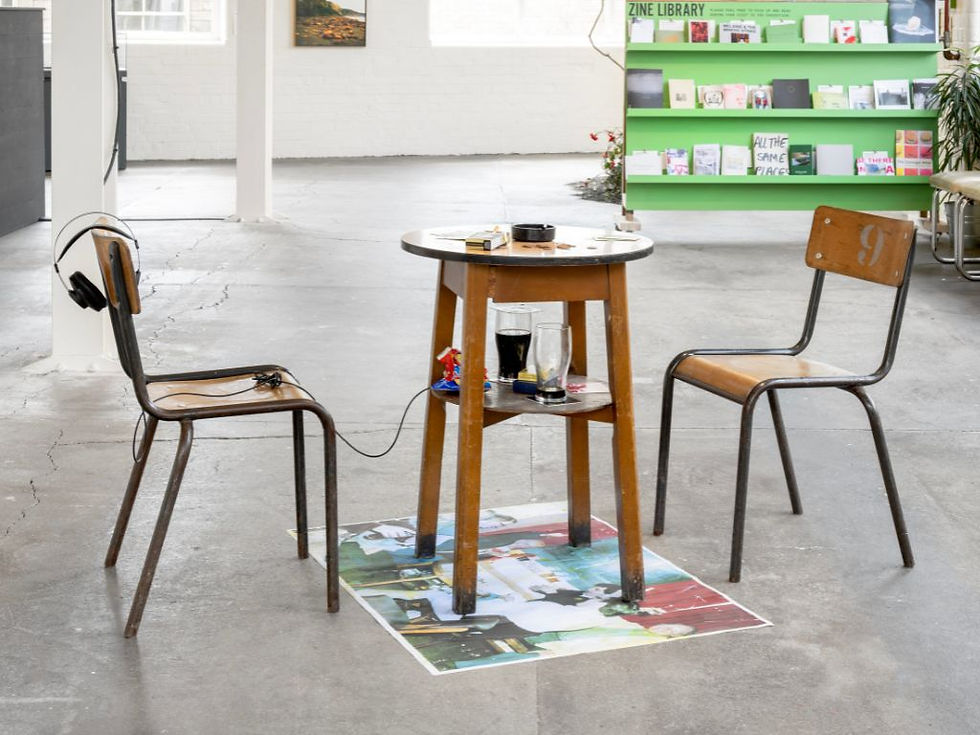
Many Hands was more than just a display of photographs. The exhibition actively involved the local community through a series of workshops, a zine library, and special events. These activities encouraged visitors to engage with the themes of the show in creative and meaningful ways.
Some highlights included:
A poetry performance by Kirsty Taylor, which brought the voices of working-class experience to life through spoken word.
A DJ set by Ed Martin, connecting music and culture with the exhibition’s themes.
A meet-up hosted by Working Class Creatives, featuring Jennifer Reid and Paul O’Kane, which fostered discussion about class, creativity, and representation.
These events helped build a dynamic atmosphere around the exhibition, making it a living conversation rather than a static display.

The Role of Photography in Telling Working-Class Stories
Photography has a unique power to capture moments of everyday life and preserve them for future generations. Many Hands demonstrated how photography can document the realities of working-class communities, often overlooked in mainstream narratives.
The artists featured in the exhibition used their cameras to explore themes such as:
The physical and emotional labor of industrial work
The changing landscapes of mill towns and factories
The resilience and solidarity of workers and their families
The intersection of personal identity with broader social and economic forces

Why Many Hands Matters Today
The Many Hands exhibition arrived at a time when industrial heritage is being reexamined across the UK. As many traditional industries have declined, communities face challenges related to economic change, identity loss, and social fragmentation. Exhibitions like Many Hands remind us of the value of these histories and the people who lived them.
By showcasing both historical archives and contemporary art, Many Hands bridged generations and perspectives. It encouraged visitors to think about how industry shaped not only jobs but also culture, relationships, and self-understanding.

Acknowledging the Contributions of Local Workers
A special thank you goes to Lynn, Margaret, Jean, and all the former textile workers who shared their stories and memories. Their experiences gave the exhibition authenticity and heart. The friendships and family connections formed at the mills continue to inspire and sustain the community today.
The exhibition sparked conversations about class, labor, and creativity that extended beyond the gallery walls.



Found this name generator while searching for gaming nicknames. It also works well if you're creating social media usernames.
I came across eggy car through a gaming forum. It has that classic browser game feeling that's easy to jump into anytime.